- Collections
- 📄 My Samples
- 📘 Books
-
PDF
- 🎙 Podcast
- 🎧 Audio Books
- 🖼 Gallery
- Cannabis in India: Ancient lore and modern medicine.
- Cannabinoids in appetite and obesity
- How Is Mindfulness Helpful? Mechanisms of Mindfulness
- Medical Students’ Attitudes, Knowledge, and Beliefs about Medical Cannabis: A Qualitative Descriptive Study.
- Cannabinoid Chemistry: an overview
- Role of the endocannabinoid system in learning and memory
- Cannabinoid targets for pain therapeutics
- Endocannabinoids and regulation of fertility
- Cannabinoids and anxiety
- Cannabidiol as a potential medicine
- Cannabinoids and drugs of abuse
- Cannabinoids in neurodegeneration and neuroprotection
- Potential use of cannabimimetics in the treatment of cancer
- Cannabinoids: effects on vomiting and nausea in animal models
- The skeleton: stone bones and stoned heads?
- The development of Sativex® — a natural cannabis-based medicine
Audio Books
Chapter
Vignette
Practice
Performance
Privacy Policy & Medical Disclaimer
Medical & Educational Disclaimer
The information on this website, including all content about cannabis for health purposes, is provided solely for informational and educational purposes. It does not constitute medical advice, diagnosis, treatment, or a recommendation to use cannabis, and creates no patient-practitioner relationship under Ontario law.
Cannabis Health Consulting (Ontario)
MistryhealTHCare
Effective Date: January 28, 2026
Last Updated: January 28, 2026
At MistryhealTHCare (“we,” “us,” “our”), we respect your privacy and are committed to protecting your personal information. This Privacy Policy explains how we collect, use, disclose, and safeguard information when you visit our website, use our services, or interact with us.
We operate in compliance with Canada’s Personal Information Protection and Electronic Documents Act (PIPEDA), Ontario’s Personal Health Information Protection Act, 2004 (PHIPA), and other relevant laws.
1. Information We Collect
- Personal Information: Name, email, phone number, mailing address, date of birth, payment details.
- Health & Sensitive Information (PHI): Medical history, symptoms, medications, cannabis usage, allergies, consultation notes (with explicit consent).
- Usage Data: IP address, browser type, pages visited, device info.
- Communications: Emails, forms, or chat logs.
2. How We Use Your Information
- Provide consultations and services
- Improve offerings and user experience
- Legal and regulatory compliance
- Payment processing and fraud prevention
3. Data Security & Retention
We use encryption, access controls, audits, and Canadian-hosted servers. Retention follows PHIPA and PIPEDA timelines.
4. Your Rights
You may request access, correction, deletion, or withdrawal of consent.
5. Artificial Intelligence Disclosure:
Some content on this website may be created or assisted by artificial intelligence technologies, including OpenAI’s ChatGPT. This content is provided for informational and educational purposes only and is reviewed by a human editor before publication. The use of artificial intelligence does not replace professional medical judgment, diagnosis, or treatment. Always seek the advice of a qualified healthcare provider with any questions regarding a medical condition. Use of Artificial Intelligence Wellness coaching services provided through this website do not establish a nurse–patient relationship.
Historical Traditions
When you hear the word “cannabis,” you might think of names like Mary Jane, le weed, marijuana, pot, or dope—and often picture someone smoking a joint. Historically, cannabis was consumed in many ways, from pipes to bongs, long before rolling papers became common. In the 1400s, Christopher Columbus observed native Cubans rolling tobacco in large leaves, a practice that eventually inspired modern cannabis consumption. By the early 1900s, brands like France’s Zig Zag were innovating rolling papers, while cannabis itself was widely used for medicinal purposes in oils, tinctures, and yes, joints.
Today, people consume cannabis in many forms—smoking remains one of the fastest ways to feel its effects, while vaporizers, topicals, edibles, capsules, and tinctures offer longer, sometimes subtler experiences. At the heart of this plant are cannabinoids, molecules that interact with receptors throughout the body to produce effects ranging from euphoria and relaxation to pain relief. Finding the right therapeutic dose can take practice, especially with edibles.
North America legalized cannabis in 2018, yet research on this holistic plant remains in its early stages. Pioneers like Israeli scientist Raphael Mechoulam, the father of modern cannabis science, broke down the chemical structure of THC in the 1960s, laying the foundation for decades of study just as global interest in cannabis was rising. Cannabis is more than a plant—it is intertwined with human history, medicine, and culture. And yet, stigma continues to slow scientific discovery, keeping us from unlocking the full potential of this remarkable plant to support health, relieve suffering, and deepen our understanding of human well-being.
Bab, I. A. (2005). The skeleton: stone bones and stoned heads? In R. Mechoulam (Ed.), Cannabinoids as Therapeutics (pp. 201–206). Birkhäuser Basel.
Guy, G. W., & Stott, C. G. (2005). The development of Sativex® — a natural cannabis-based medicine. In R. Mechoulam (Ed.), Cannabinoids as Therapeutics (pp. 231–263). Birkhäuser Basel.
Russo, E. (2005). Cannabis in India: ancient lore and modern medicine. In R. Mechoulam (Ed.), Cannabinoids as Therapeutics (pp. 1–22). Birkhäuser Basel.
Culinary Rituals
Hemp Infused Momos
A soulful bite rooted in India & Tibetan tradition
These delicate, steamed dumplings combine North Indian and Tibetan comfort food with the gentle nourishment of hemp seeds. Choose your filling—non-vegetarian or vegetarian—and enjoy a cozy, mindful cooking moment.
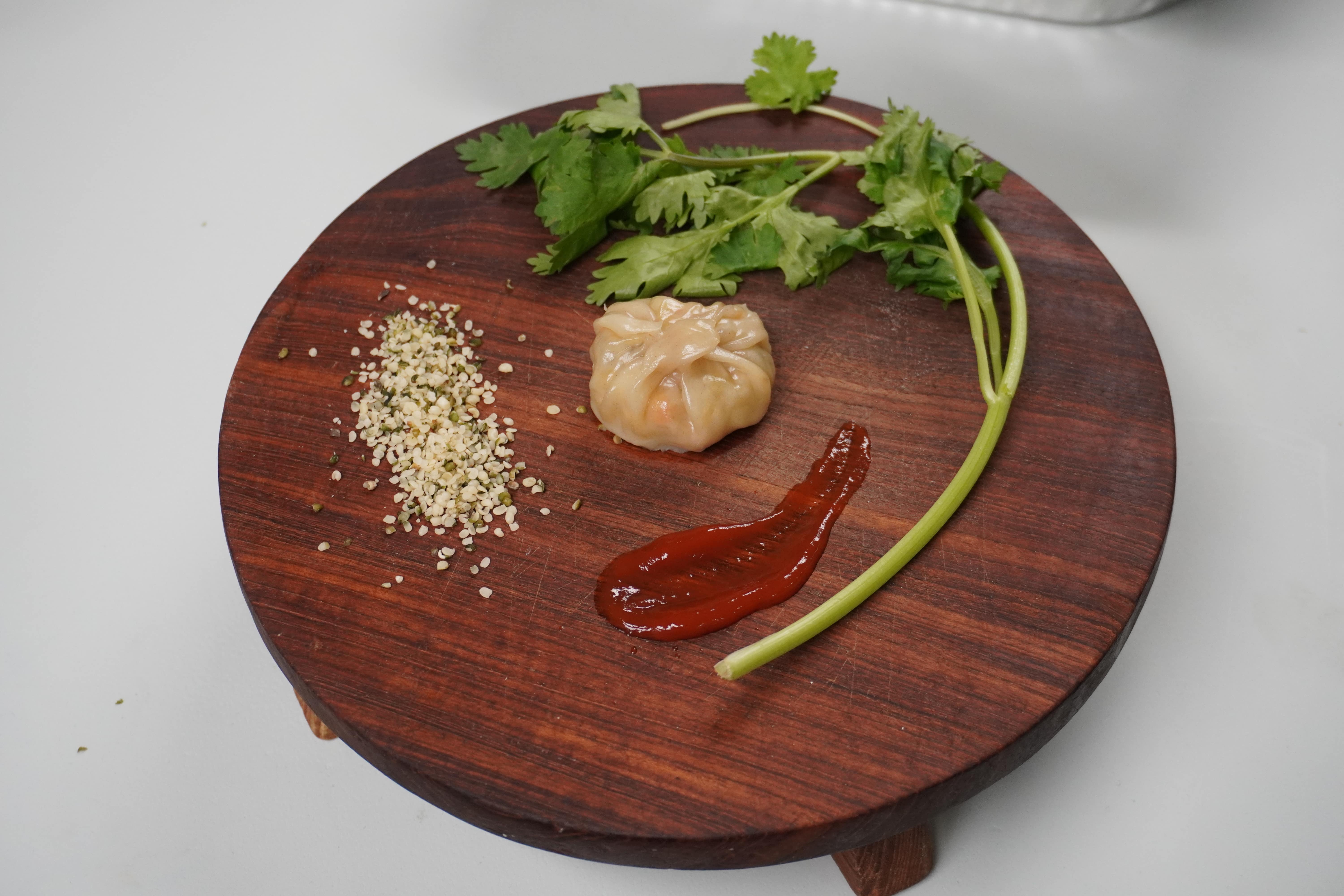
Hemp seeds are a gentle, non-euphoric source of plant-based nourishment. Naturally rich in omega-3 and omega-6 fatty acids, they support balance in the body and are often associated with skin health, digestion, and overall well-being. In this recipe, hemp adds a subtle nutty flavour while inviting a mindful connection between food, culture, and nourishment.
Nutrition is a foundational component of holistic health, affecting the body physically, the mind mentally, the emotions emotionally, and the spirit spiritually. Connecting the gut-brain axis, learning the benefits of plant-based nutrition, and emphasizing balanced nutrition will help you make informed choices to enhance well-being. Use your favourite kitchen utensil and try making Hemp Infused Momo's.
Barth, F., & Rinaldi-Carmona, M. (2005). Cannabinoids in appetite and obesity. In R. Mechoulam (Ed.), Cannabinoids as Therapeutics (pp. 219–230). Birkhäuser Basel.
mix until flavours meet.
For vegetables,
warm oil, wake garlic and ginger,
add onions, cabbage, carrots, mushrooms,
cook until soft, then rest with soy, hemp, salt, and pepper.
Place a spoonful at the center,
pleat gently, seal with care.
Steam for 10 to 15 minutes,
Until dumpling wrappers turn translucent
and warmth settles within.
Want to learn more about The Chai High Experience?
Mindful Spirituality
Cannabis and spirituality have been intertwined throughout human history, long before the plant was criminalized. Across cultures, from ancient India to indigenous practices in the Americas, cannabis was used as a tool to enhance meditation, prayer, and introspection. Modern science provides a fascinating lens for understanding why this might be: the endocannabinoid system (ECS), with key molecules like anandamide and 2-AG, plays a critical role in regulating mood, perception, and a sense of inner balance.
Anandamide, often called the “bliss molecule,” naturally promotes feelings of euphoria and peace, while 2-AG helps maintain overall homeostasis in the central nervous system. By interacting with the ECS, cannabis can amplify these effects, potentially supporting experiences of calm, heightened awareness, or spiritual connection. This connection suggests that the plant’s traditional role in rituals and meditative practices is not purely symbolic—our biology is tuned to respond to these molecules in ways that influence consciousness, perception, and emotional well-being.
Integrating this understanding, cannabis can be seen as both a botanical ally and a bridge, linking the ancient spiritual uses of the plant with modern insights into how the human body naturally produces its own internal “cannabis-like” compounds. Mindful practices can help grounding like a 108 Mindful Painting exercise. The number 108 is sacred, symbolizing balance, wholeness, and spiritual connection. Each mindful stroke not only nurtures creativity but also activates the endocannabinoid system, supporting relaxation, focus, and emotional well-being.
Shapiro, S. L., & Carlson, L. E. (2009). How Is Mindfulness Helpful? Mechanisms of Mindfulness. In The art and science of mindfulness integrating mindfulness into psychology and the helping professions (1st ed.). (pp. 99-112). American Psychological Association
Equity in Practice
The legalization of cannabis in North America represents a significant shift in public policy, moving from prohibition to regulated access for medical and recreational use. Yet, for many individuals and communities, this shift does not erase the legacy of criminalization. Cannabis was widely criminalized in the early 20th century, influenced by a combination of racialized fear, political agendas, and misinformation about the plant’s effects. These policies disproportionately targeted Black, Indigenous, and other marginalized communities, resulting in arrests, convictions, and lifelong consequences for countless people.
Today, as jurisdictions across North America adopt legalization frameworks, equity in practice has become a central concern. While some benefit from new economic and social opportunities in the legal cannabis industry, others continue to face barriers due to past criminal records—records that stem directly from the same laws now being overturned. Addressing these disparities requires intentional policies, such as record expungement, equitable licensing programs, and community reinvestment initiatives, to ensure that the benefits of legalization are accessible to those most affected by prohibition.
Cannabis legalization, therefore, is not just a matter of policy or commerce; it is a matter of justice, reconciliation, and social equity, recognizing the enduring impact of decades of criminalization while creating pathways for restorative opportunities in a newly regulated market.
Jacobs, R. J., Colon, J., & Kane, M. N. (2022). Medical Students’ Attitudes, Knowledge, and Beliefs about Medical Cannabis: A Qualitative Descriptive Study. Curēus (Palo Alto, CA), 14(8), e28336
Science & Physiology

Understanding the Endocannabinoid System (ECS)
Our bodies are naturally equipped with the Endocannabinoid System (ECS), a network designed to maintain balance and homeostasis. This system helps explain why some people may feel sad, anxious, hot, or cold at times, and how cannabis can help restore equilibrium. By understanding how cannabis interacts with our ECS, we can use the plant more intentionally and intuitively.
Endocannabinoids are molecules produced by our own bodies. They are synthesized and released on demand and communicate via retrograde signalling from postsynaptic to presynaptic neurons. This regulatory system can reduce the need for multiple medications (polypharmacy) and allow a focus on targeted treatments, such as cannabis.
THC has psychoactive effects, while CBD is non-intoxicating. By understanding the properties of these compounds and the symptoms you want to address, you can choose the right cannabis cultivar.
Remember the principle: Start Low and Go Slow.
Your ECS helps balance cannabis receptors, supporting you to feel more like yourself again.
Hanuš, L. O., & Mechoulam, R. (2005). Cannabinoid chemistry: an overview. In R. Mechoulam (Ed.), Cannabinoids as Therapeutics (pp. 23–46). Birkhäuser Basel.
Cannabis Literacy
The closer we remain to nature and its rhythms, the healthier we tend to be. As we move further away from nature, we often begin to merely tolerate life rather than truly live it. Quality of life is not an afterthought; it is deeply connected to our physical, mental, and emotional health.
At the same time, studies show that youth are experimenting with cannabis at increasing rates, largely due to greater ease of access. Alongside this trend, concerns around youth mental health continue to grow, highlighting the urgent need for early, thoughtful intervention in schools that addresses cannabis safety and informed decision-making.
Currently, many education systems are not equipped to provide comprehensive cannabis education. When it does occur, it is often delivered as a short-term, one-off program rather than as part of a sustained, age-appropriate learning approach.
Florence Nightingale, a pioneer of modern nursing, once said, “Live your life while you have it. But to live your life, you must discipline it.” This reminder calls us to balance knowledge with responsibility. While it is essential to educate on the science behind cannabis, we must do so with care—always keeping the well-being of our children at the center of the conversation.
Government of Canada. (2025, October 27). Cannabis in Canada: Get the facts. Canada.ca.
Lifespan Wellness
Cannabis is often underestimated for its potential benefits, especially for older adults, yet there is more to the plant than it is commonly given credit for. As the senior population navigates the challenges of aging, cannabis offers promising opportunities to support wellness, manage symptoms, and improve quality of life. However, accessing medical cannabis remains complex. The paperwork required, coupled with healthcare professionals’ reluctance or hesitation to provide authorization, creates barriers that prevent many seniors from receiving timely, quality care.
The cannabis industry in Canada has developed robust analytical laboratories focused on compliance testing. Health Canada’s Cannabis Legalization and Regulation Branch monitors licensing and regulatory adherence under the Access to Cannabis for Medical Purposes Regulations (ACMPR). These measures primarily ensure safety and reduce diversion rather than simplify patient access. Although some insurance companies now include medical cannabis in their coverage plans, restrictions remain tighter than those for conventional pharmaceuticals, leaving many seniors navigating a complicated path to access the medicine they need. Supporting seniors in understanding and safely accessing cannabis requires not only education but also advocacy, so that the plant can be recognized for its full therapeutic potential and integrated effectively into wellness strategies across the lifespan.
Fernández-Ruiz, J., González, S., Romero, J., & Ramos, J. A. (2005). Cannabinoids in neurodegeneration and neuroprotection. In R. Mechoulam (Ed.), Cannabinoids as Therapeutics (pp. 79–109). Birkhäuser Basel.
Hormonal Balance
Cannabis and Women’s Hormonal Health
For many women, hormonal changes throughout the menstrual cycle, perimenopause, and menopause can be challenging. Symptoms like mood swings, cramps, sleep disturbances, and fatigue often lead to multiple medications; sometimes, nothing seems to work. On top of that, healthcare providers are often hesitant to discuss cannabis as an option, leaving women with limited guidance and few alternatives.
This hesitation is rooted in long-standing stigmas around cannabis, but it’s time to debunk those myths. Medical cannabis can offer a safe, plant-based option for women seeking relief, with a wide safety margin and lower risk compared to many conventional medications.
The reason cannabis works in this context lies in our own biology: the endocannabinoid system (ECS). The ECS is a network of receptors, endocannabinoids, and enzymes that help regulate many physiological processes, including hormonal balance and reproductive health. Its activity naturally fluctuates throughout the menstrual cycle, impacting everything from fertility to mood. By understanding how the ECS responds during different stages of the cycle, we can see how medical cannabis may support women’s wellness in a targeted, science-based way.
In practice, medical cannabis can be tailored to individual needs through various routes of administration—such as oils, capsules, or bath bombs—allowing women to find an approach that works best for their body and lifestyle.
Read more to explore the science, the myths, and the practical applications of medical cannabis for women’s health, offering an informed perspective on an often-overlooked therapeutic option.
Maccarrone, M. (2005). Endocannabinoids and regulation of fertility. In R. Mechoulam (Ed.), Cannabinoids as Therapeutics (pp. 67–78). Birkhäuser Basel.
Connected Embodiment
Cannabis is a holistic plant that can support sexual wellness in a variety of ways. By promoting relaxation, reducing anxiety, and enhancing sensory awareness, it may help deepen intimacy and increase sexual pleasure. Many people report heightened sensitivity to touch, improved mood, and a greater sense of connection, all of which can positively influence sexual experiences. For some, cannabis may also increase libido, enhance orgasmic response, and help alleviate discomfort or pain during intercourse, particularly for those living with conditions such as chronic pelvic pain.
When it comes to sexual wellness, THC and CBD offer distinct yet complementary benefits. THC, the psychoactive component of cannabis, may enhance arousal and intimacy by increasing blood flow and intensifying sensations. It can also ease performance-related anxiety, which is often a barrier to sexual enjoyment. CBD, on the other hand, is valued for its calming and anti-inflammatory properties. It supports relaxation, reduces stress and discomfort, and does so without producing a high. Many people find that combining THC and CBD provides a balanced approach that supports both physical pleasure and emotional ease.
There are many ways to thoughtfully incorporate cannabis into a sexual wellness routine. CBD bath bombs can help ease tension and create a relaxed, inviting atmosphere. Topicals applied before intimacy may increase sensitivity and promote blood flow in targeted areas. For those seeking relief from discomfort, CBD suppositories can offer localized support while enhancing comfort and pleasure. THC-infused beverages may elevate mood and reduce anxiety in a gentle, social way, while inhaled options can offer quicker effects for those who prefer immediate results. Certain cultivars, such as Gorilla Glue, are often chosen for their terpene profiles, which may support relaxation, mental clarity, and arousal. Each option provides a unique pathway to enhancing connection, pleasure, and overall sexual well-being.
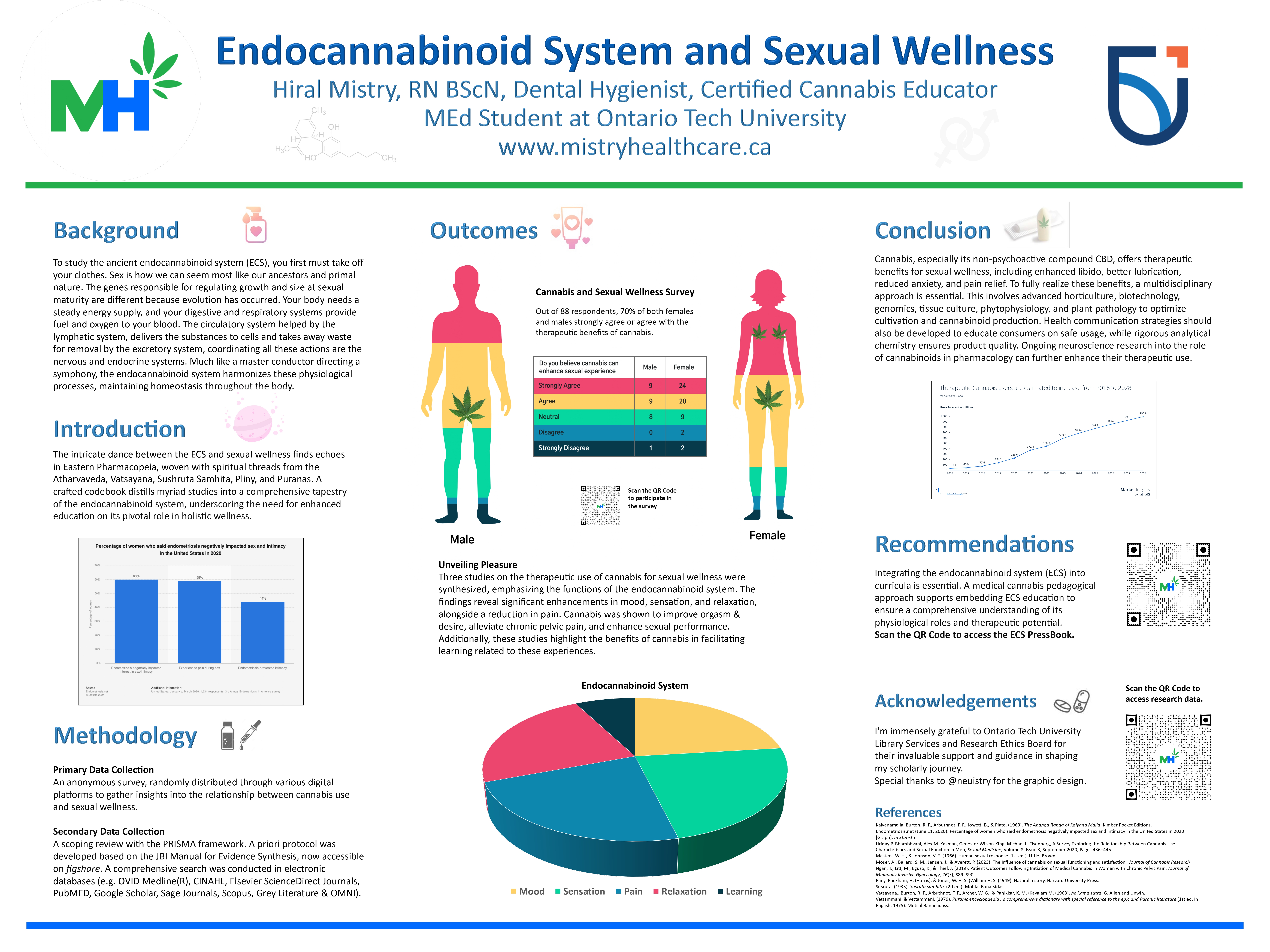
Abstract:
Introduction: The endocannabinoid system (ECS) plays a pivotal role in regulating various physiological processes, including mood, appetite, pain sensation, and reproduction. Recent research has highlighted the intricate relationship between the ECS, sex, and the therapeutic benefits of cannabis use. Understanding these interactions holds significant implications for the development of novel therapeutic interventions. This survey study aims to elucidate the perceptions and experiences regarding the therapeutic potential of cannabis in the context of sex-related health concerns.
Methodology: We conducted a survey-based study targeting individuals aged 18 and above, employing convenience sampling through online platforms. The survey comprised questions addressing demographics, cannabis usage patterns, perceived therapeutic benefits, and sexual health concerns. Respondents were asked to rate the effectiveness of cannabis in alleviating symptoms related to sexual dysfunction, menstrual pain, menopause, and other sex-related issues. Additionally, participants were encouraged to provide qualitative insights into their experiences with cannabis use for sexual health purposes.
Results: Preliminary analysis of survey responses revealed a diverse demographic profile, with participants spanning various age groups, genders, and geographical regions. A significant proportion of respondents reported using cannabis for medicinal purposes, with pain management and mental health being the most commonly cited reasons. Interestingly, a substantial number of participants acknowledged experiencing positive effects on sexual well-being following cannabis consumption. This included improvements in libido, arousal, orgasm, and overall sexual satisfaction. Moreover, respondents highlighted the potential of cannabis in mitigating symptoms associated with conditions such as erectile dysfunction, endometriosis, and premenstrual syndrome.
Discussion: The findings of this survey underscore the multifaceted role of the ECS in modulating sexual function and highlight the therapeutic potential of cannabis in addressing sex-related health concerns. The observed associations between cannabis use and enhanced sexual well-being warrant further investigation to elucidate underlying mechanisms and establish evidence-based therapeutic strategies. Notably, the survey results suggest a growing interest in integrating cannabis into mainstream healthcare for managing sexual dysfunctions and improving overall quality of life. However, it is imperative to consider the complex interplay between individual factors, cannabinoid profiles, and dosage regimens in optimizing therapeutic outcomes while minimizing potential adverse effects.
Conclusion: This survey study provides valuable insights into the intersection between the ECS, sex, and therapeutic applications of cannabis. The positive perceptions and experiences reported by participants underscore the need for continued research to harness the full potential of cannabis-based interventions in promoting sexual health and well-being. Future studies employing rigorous methodologies are warranted to validate these findings and inform evidence-based clinical practices in the realm of sexual medicine.
Musty, R. E. (2005). Cannabinoids and anxiety. In R. Mechoulam (Ed.), Cannabinoids as Therapeutics (pp. 141–147). Birkhäuser Basel.
Reflective Integration
Decolonizing Educational Paradigms Through Plant Medicine and Cannabis
Integrating plant medicine beyond cannabis—into wellness, ritual, and mindfulness—invites learners to cultivate discernment, respect for natural cycles, and an understanding of interconnected systems. Human health does not exist in isolation; it unfolds across nested relationships from the individual to the community and ultimately to the planet. Education that honours these relationships encourages environmental stewardship, sustainability, and reciprocity rather than extraction and consumption.
Cannabis, a plant cultivated for millennia across diverse cultures, offers a powerful entry point for decolonizing educational paradigms. Recognizing its historical, medicinal, spiritual, and social significance honours Indigenous and ancestral knowledge systems that have long understood health as relational rather than purely biomedical.
Including cannabis in education challenges Eurocentric curricular norms and opens space for more holistic, culturally responsive ways of knowing. Traditionally, cannabis has been used not only as medicine, but as a tool for ceremony, community bonding, and spiritual inquiry. When situated within educational frameworks, cannabis becomes more than a substance—it becomes a lens through which students can explore ethics, ecology, cultural continuity, and self-regulation. This reframing helps dismantle stigmatized narratives and replaces them with a contextualized, respectful understanding.
A key scientific bridge between traditional knowledge and contemporary education lies in the endocannabinoid system (ECS). The ECS plays a central role in maintaining homeostasis, influencing mood, memory, pain, stress response, and immune function. The concept of endocannabinoid bliss reflects a state of balance and well-being that emerges when internal systems are supported through movement, breath, nutrition, connection, and, where appropriate, plant medicine. Teaching the ECS alongside cannabis offers students an integrative view of biology that connects physiology, mental health, and embodied awareness. Educators can meaningfully incorporate cannabis and the ECS into science curricula by exploring biochemical pathways, neuroregulation, and therapeutic potential, while also situating this knowledge within social, historical, and cultural contexts. Such integration supports interdisciplinary learning that bridges science, health education, ethics, and social studies.
Decolonizing education also requires addressing the legal, ethical, and societal dimensions of cannabis. Examining criminalization, legalization, and the socio-economic impacts of policy decisions encourages critical thinking about power, equity, and public health. These discussions help learners understand how knowledge systems are shaped—and often constrained—by colonial histories and regulatory frameworks.
Ultimately, integrating cannabis and broader plant medicine into education fosters a more inclusive, systems-based pedagogy. It invites learners to see health as relational, knowledge as plural, and well-being as inseparable from environmental and community health. By honouring ancient plant wisdom alongside modern science, education becomes a space for healing, reflection, and responsible participation in a living, interconnected world.
Your journal is a personal space to reflect, track growth, and deepen self-awareness. Daily reflection transforms observation into insight, helping you make intentional choices that support your well-being.
De Petrocellis, L., Bifulco, M., Ligresti, A., & Di Marzo, V. (2005). Potential use of cannabimimetics in the treatment of cancer. In R. Mechoulam (Ed.), Cannabinoids as Therapeutics (pp. 165–181). Birkhäuser Basel.
Open Journal